A collection that meets your curiosity
Which Paris art museum feels like you?
You do not need to begin with the museum everyone names first. Begin with what holds your attention: painted faces, changing light, a room that surrounds you or a sculpture you can walk around. Paris offers several very different encounters with art, and choosing one thoughtfully can be more rewarding than collecting a series of famous entrances.
Open official visitor informationStart with the object you want to spend time with
Imagine what would stop you in a gallery without a famous name on the label. A painted face, an ancient figure, a woven animal or a room arranged around possessions gives you a useful starting point. The question is less “Which museum matters most?” than “What kind of attention would I enjoy today?” Architecture also shapes that answer: a former station, a palace and a garden do different things to your movement and concentration. Choose one strong fit and allow it enough time, rather than trying to make several museums prove that you have seen Paris thoroughly.
Choose the Louvre for range with a thread
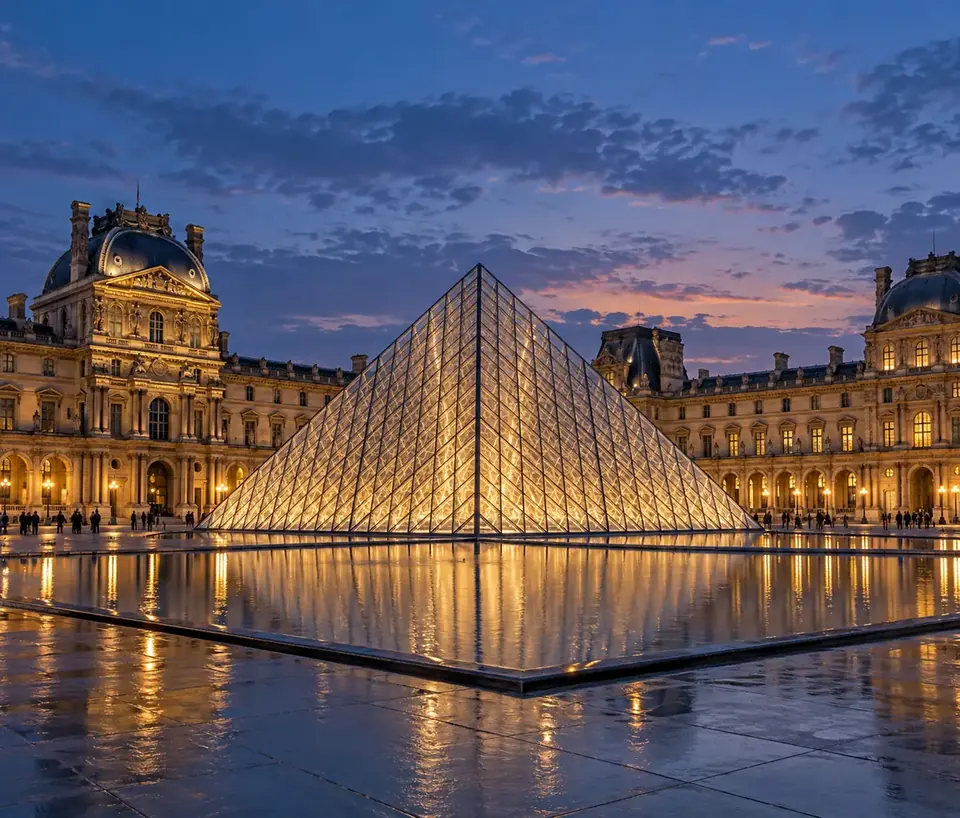
The Louvre’s former-palace setting and wide collection suit curiosity that moves among civilisations, paintings, sculpture and decorative objects. The Greek antiquities galleries occupy space once used for royal apartments, making the building’s history part of the encounter. That breadth is rewarding when you choose a question to follow: the body, power, craftsmanship or a particular artistic tradition. It can be tiring if each doorway feels like a competing obligation. Pick the Louvre because that range excites you, then deliberately leave most of it beyond the scope of a single visit.
Choose Orsay for a changing artistic world
Orsay centres on Western art from 1848 to 1914 in the former Gare d’Orsay. Its strengths include Impressionist and Post-Impressionist art, but also sculpture, decorative arts, photography and architecture. Choose it if modern city life, changing approaches to colour or the relationship between art forms interests you. The station’s central hall gives the visit an expansive opening before individual galleries ask for closer looking. It is a broader proposition than a handful of famous Monet paintings, and a different historical conversation from the Louvre’s range across much longer periods and more varied cultures.
Choose the Orangerie for a sustained encounter
The Orangerie’s Water Lilies surround visitors in two elliptical rooms, with eight large compositions giving Monet’s painted atmosphere an unusual physical presence. Choose it when the idea of staying with colour and reflection appeals more than a sweeping survey. The Walter-Guillaume collection adds other artists and ways of building a picture, so the museum has contrast as well as a strong centre. Concentration does not guarantee quiet or solitude. It means a clearer reason to look carefully at a particular experience, which can be especially valuable when too many possibilities scatter your attention.
Choose Rodin when movement helps you look
At Rodin, sculpture shares the Hôtel Biron and a garden, bringing the body into a physical relationship with your own movement. The Thinker and The Gates of Hell stand across the garden from one another, letting you connect an iconic figure with the larger imaginative work from which it developed. Choose this museum if walking around a form, comparing gestures and noticing a changing outdoor setting feels inviting. Weather matters more than in an entirely indoor selection, and the mansion’s rooms give another scale to the encounter. The appeal is sculpture in context, rather than painting with a pleasant garden added.
Choose city history or medieval detail for another question
Carnavalet makes Paris legible through shop signs, rooms and historical objects, inviting you to ask how people lived, traded and represented themselves. If that curiosity matters more than art movements, it may be your strongest choice. Cluny offers medieval material culture within a site containing ancient baths, rewarding close attention to woven, carved and architectural details. These are not secondary choices for visitors who have already completed the famous museums. They answer different questions, and can provide a more direct connection with the subject you actually want to explore.
Let the choice remain practical and personal
Once a collection appeals, look at current displays, room access, exhibitions and visitor conditions, especially when one named work is essential. A collection holding may be on loan or temporarily not exhibited. Consider outdoor comfort, the amount of walking and whether companions want the same degree of concentration. Then choose a small thread and a stopping point. After the visit, describe one work without using “famous”, “beautiful” or “important”. If you can talk about its colour, material, gesture or use, the museum has given you something more personal than an entrance collected from a list.
If undecided, each write one question rather than choosing a genre: light in painting, movement in sculpture or a city’s past? Different questions do not require forcing two museums into one day. The museum-and-break rhythm of a rainy day helps build a plan around one main interest.
Prepare your visit
- Verify current collections and ticket requirements on each museum’s official site.
- Check accessibility and the amount of outdoor walking involved.
- Use the dedicated guide for museum travel planning.
Where will this discovery take you next?
Sources and updates
Confirm tickets, visit calendars and access conditions directly with the official source.
A publication affiliated with VIP Paris Transfer.
Editorial principlesHave you chosen where to go?
Explore metro, RER and travel options in our separate transport guide.
Open the transport guide