Small details, another world
Cluny: a closer look at the Middle Ages
At Cluny, the Middle Ages become something you can look at closely: a woven animal, a carved fold, an object made for a particular hand or ritual. The museum suits a visit built around details. Its setting also brings different layers of Paris into view, with medieval architecture beside the remains of ancient baths.
Open official visitor informationLet the building establish several centuries at once
Cluny is distinctive because the setting refuses to belong to a single period. The ancient baths of Lutetia sit alongside the Hôtel de Cluny, built at the end of the fifteenth century, while the museum explores medieval artistic practices from the fifth to the early sixteenth century. Notice the changes in material and scale before trying to organise all that time. If Carnavalet tells the city’s history through collected objects, Cluny makes an earlier Paris tangible through both objects and the architectural fabric that surrounds them.
Look up inside the ancient baths
The frigidarium, or cold room, retains a vault rising to almost fourteen metres. Its volume changes the experience of the museum: instead of bending towards a small object, you find yourself considering how a room holds space above you. Where the current visitor route permits, compare that scale with the more detailed surfaces elsewhere. The contrast helps explain why architecture belongs in the visit rather than serving as an entrance corridor. Check access if the baths are a principal reason for choosing Cluny, since your preferred encounter should shape the decision from the start.
Meet the lady, lion and unicorn
The Lady and the Unicorn tapestries invite you into images dense with possible clues. Start with the principal figures, then let your eyes travel into the red millefleurs backgrounds and their many small flowers. Notice how a woven surface can make animals, clothing and ornaments feel distinct without becoming a painted scene. The series dates from around 1500 and is associated with the five senses and an enigmatic sixth tapestry. Interpretation adds to the pleasure, but it need not replace the direct experience of searching through the carefully made field of detail.
Keep the sixth tapestry open to questions
A sequence with a mysterious final image is a good reminder that a museum can explain evidence without dissolving every uncertainty. Compare gestures, objects and the positions of the animals across the series before reading the museum’s account. Ask what remains consistent and what changes. You do not have to invent a solution to participate. This kind of sustained looking differs from the enveloping colour of Monet’s Water Lilies, where your attention moves through atmosphere rather than a gathering of symbolic details. Choose whichever uncertainty feels more inviting to you.
Look for craftsmanship at a human scale
Beyond the celebrated tapestries, take one carved or carefully worked object and ask how its maker directs your attention. A fold can give a figure weight; a small decorative feature can signal how much labour was invested. Consider the relation between usefulness, devotion and display rather than treating every precious material as the same kind of luxury. If you enjoy following the human body through different techniques, Rodin’s gestures and modelled surfaces offer a later contrast. Both encounters reward an eye for hands and posture, although their artistic contexts are very different.
Make a family question specific
An animal, flower or piece of clothing offers children a way into the collection without a long introduction to medieval history. Let each person choose a detail and explain what they noticed first. An adult can take part without supplying a correct answer immediately. A family museum visit built around one shared question works especially well here because the rich surfaces offer several levels of discovery. A child’s interest in a unicorn and an adult’s interest in textiles need not compete; they can lead into the same object through different points of attention.
Choose Cluny for the detail it offers
Choose this museum when woven stories, carved surfaces and architectural layers interest you more than an encyclopaedic sweep of painting. If you want that broader range, the Louvre can provide a contrasting journey through ancient objects and art, provided you choose a manageable thread there too. At Cluny, leaving with a clear memory of a tiny flower or the great height of the cold room is a meaningful result. You have met two extremes of scale within one place. Give yourself time to notice that relationship before adding another museum to the day’s ambitions.
With a child or someone new to medieval art, begin with a colour, animal or pattern rather than a long explanation. Then explore its place in the story. Letting go of the need to understand everything makes questions easier. Shape the day around short family discoveries and breaks.
Prepare your visit
- Check official tickets, exhibitions and access to the architectural spaces.
- Consult accessibility information before choosing the visit.
- Use the transport guide for route planning.
Where will this discovery take you next?
Musée Carnavalet
Explore Parisian life at the Musée Carnavalet, where signs, rooms and everyday objects tell the city’s stories.
Plan your visit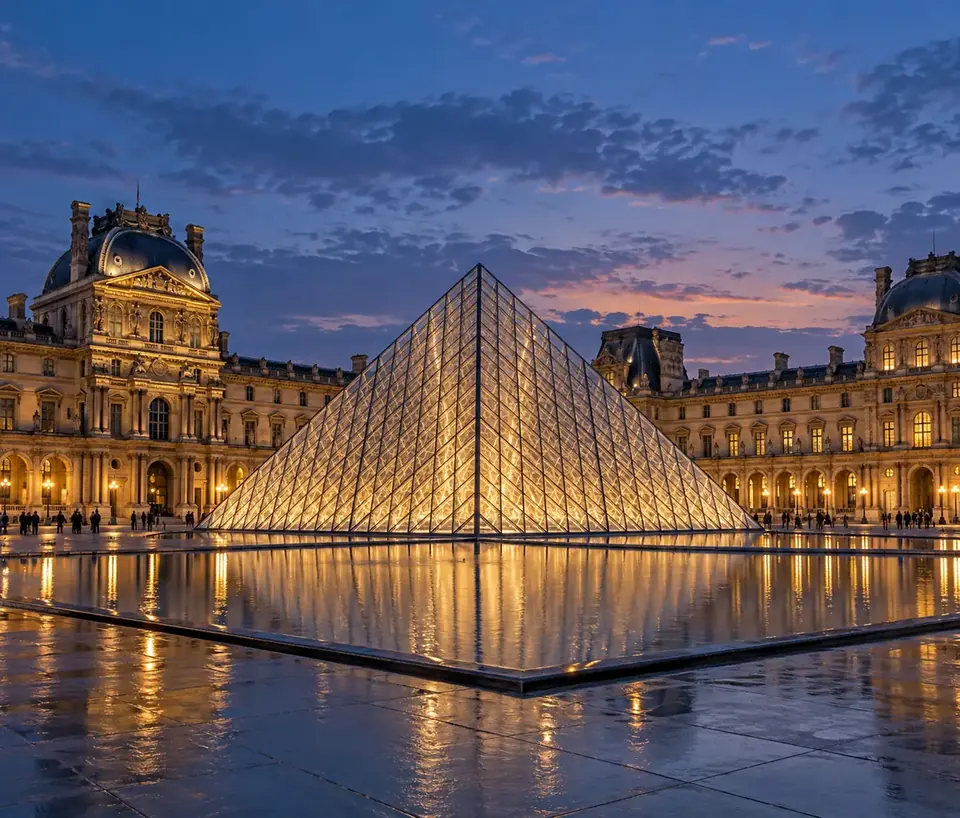
Choosing a museum with children
Choose a family museum visit around curiosity, comfort and a few memorable objects.
Plan your visitSources and updates
Confirm tickets, visit calendars and access conditions directly with the official source.
A publication affiliated with VIP Paris Transfer.
Editorial principlesHave you chosen where to go?
Explore metro, RER and travel options in our separate transport guide.
Open the transport guide