A shared discovery
Paris museums with children: follow one question
A family museum visit does not need to prove how much everyone can learn before lunch. It needs a reason to look together. An animal in a tapestry, a giant painted scene or a sculpted hand can start that conversation. Choose a museum around the questions your children already ask, then leave enough freedom for a different question to appear.
Open official visitor information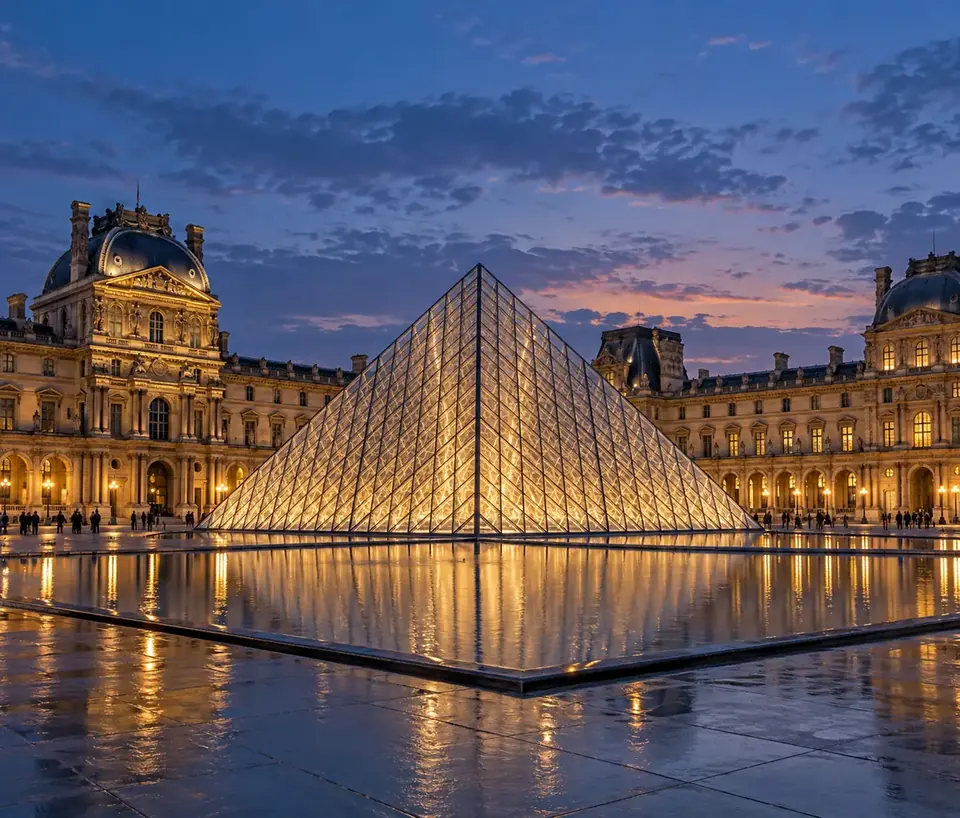
Begin with a real question from your child
A museum becomes easier to share when it meets an existing curiosity. Does your child notice animals, ask how objects work, invent stories about faces or enjoy enormous spaces? Use that knowledge before choosing a museum by reputation. Then make the mission small enough to leave room for unexpected interest. Adults can join rather than act as examiners: find a puzzling detail and say why it catches your attention. A family visit works through the particular people involved, not through a promise that one collection will entertain everyone in a stated age group.
Try a body-and-movement question at the Louvre
A focused Louvre visit can begin with the Winged Victory of Samothrace above the monumental Daru staircase. The figure represents Victory alighting on a ship, giving children concrete things to investigate: wings, clothing, movement and the form beneath the body. Ask how a still object can seem to move. Check current displays and access before making any work essential. The useful aim is a handful of discoveries, not a tour of every famous object. A child who spends real time with one figure has already participated in a meaningful museum encounter.
Let Rodin make posing part of looking
Rodin’s sculpture garden and Hôtel Biron offer a different way to approach the body. The Thinker and The Gates of Hell face each other across the garden, connecting an individual pose to a larger field of figures. Ask what would happen if someone held a similar posture, while respecting barriers and keeping routes clear. Would a shoulder ache? Where would the weight go? A brief, considerate gesture can make sculpture less remote without turning the museum into a performance space. Outdoor comfort and the current admission scope still matter when choosing how much of the setting to explore.
Search for animals and senses at Cluny
Cluny’s Lady and the Unicorn tapestries give a family a rich shared surface: the lady, lion, unicorn and many small flowers offer details to find without racing from room to room. Ask what the figures appear to be doing before adding the interpretation of the senses. The ancient baths introduce another scale, particularly the great volume of the frigidarium, or cold room. A child may remember the woven animals or the room’s height more clearly than a chronology of the Middle Ages. Those are substantial points of connection, and each can support a later question.
Make old signs into a city game at Carnavalet
Carnavalet’s shop-sign rooms evoke walking along earlier Paris streets from business to business. Ask what a sign might announce without reading its label first. The point is a plausible guess and the surprise of checking it, not a score for correct answers. Furniture and recreated interiors can lead to a different question about how people used a room. Because the museum connects objects with the history of the city outside, it can make later shopfronts more interesting too. Keep that connection light, allowing a normal walk to remain a walk rather than another lesson.
Choose painted attention when colour is the interest
At the Orangerie’s Water Lilies, a child might follow reflected colours or decide where water seems to begin and end. The two elliptical rooms offer a strong spatial experience, but prolonged looking at atmosphere will not appeal equally to everyone. Orsay’s art of modern life provides different subjects and a former station whose scale can be interesting in itself. Consult current collection information before promising a particular painting. The best option depends on whether your family would enjoy a sustained painted environment, a story-rich scene or the physical presence of objects more than the others.
Plan comfort and a graceful stopping point
Check the chosen venue’s family resources, facilities, accessibility, pushchair conditions and rules on drawing materials. A programme advertised in the past is not a promise of an activity on your date. Agree on a modest shared goal, then watch for the moment when curiosity turns into exhaustion. End while someone still has a detail they want to describe. A notebook drawing, where permitted, or a conversation about the object each person would show a friend can preserve the experience without another task to finish. The family’s own observations should be the lasting result, rather than proof that every room was covered.
Before visiting, offer your child two small games, such as finding an intriguing animal or choosing a colour in an artwork. Not wanting more rooms afterwards does not mean the outing failed. Separate adults’ wish to continue from the child’s need for a break when shaping a day of small family discoveries.
Prepare your visit
- Check current family resources, activity bookings and visitor rules directly.
- Confirm accessibility, pushchair conditions and facilities for your group.
- Use the Paris guide for transport details and separate itinerary planning.
Where will this discovery take you next?
Sources and updates
Confirm tickets, visit calendars and access conditions directly with the official source.
A publication affiliated with VIP Paris Transfer.
Editorial principlesHave you chosen where to go?
Explore metro, RER and travel options in our separate transport guide.
Open the transport guide